Do I need to pre-book a gondola ride?
Gondolas rarely sell out, so walking up works most days. What booking buys is a fixed slot, card payment and no queue at 18:00 in August. Both paths compared.
 By Marco Zanetti, Venice gondola ride specialist & canal experience guide
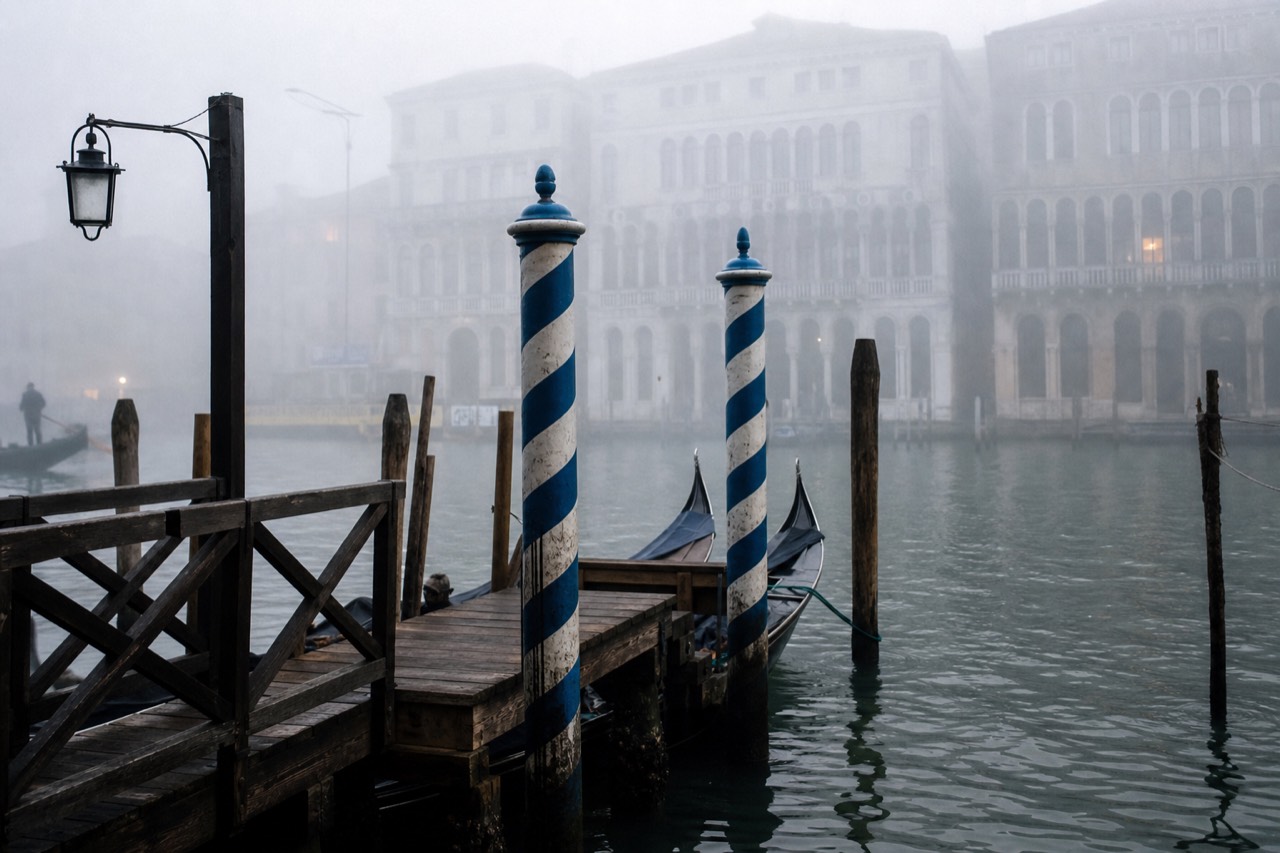
Stand at the Bacino Orseolo on a Tuesday morning in April and you will watch gondoliers waiting for passengers rather than the reverse. Come back to the same water at seven on a Saturday evening in July and the picture inverts. That gap, between a trade with roughly 400 licensed rowers and a city where everybody wants the same 40 minutes of golden light, is the whole of this question.
Do you have to book a gondola in advance?
No. Gondola rides do not sell out the way a timed museum entry does. Current traveller reporting is consistent: day-of and short-notice rides are usually available because the fleet is large, and only the peak sunset hours at the busiest stations create a real bottleneck. Booking a week ahead is a comfort measure, not a requirement.
The station system is built for walk-ups. You arrive, you agree the length of the ride, you pay the regulated city tariff of €90 for 30 minutes between 09:00 and 19:00 or €110 for 35 minutes after that, and you board. There is no ticket, no manifest and no queue-jumping tier. The trade is coordinated by Ente Gondola, and the rate is identical at every legitimate mooring in the city, so nothing is gained by walking to a quieter station except a shorter wait.
One planning worry you can drop entirely: the day-tripper access fee trial ended on 27 July 2026, and the official access-fee portal now shows no charge or exemption registration for entering the historic centre. Nothing needs paying or registering before you step onto a boat.
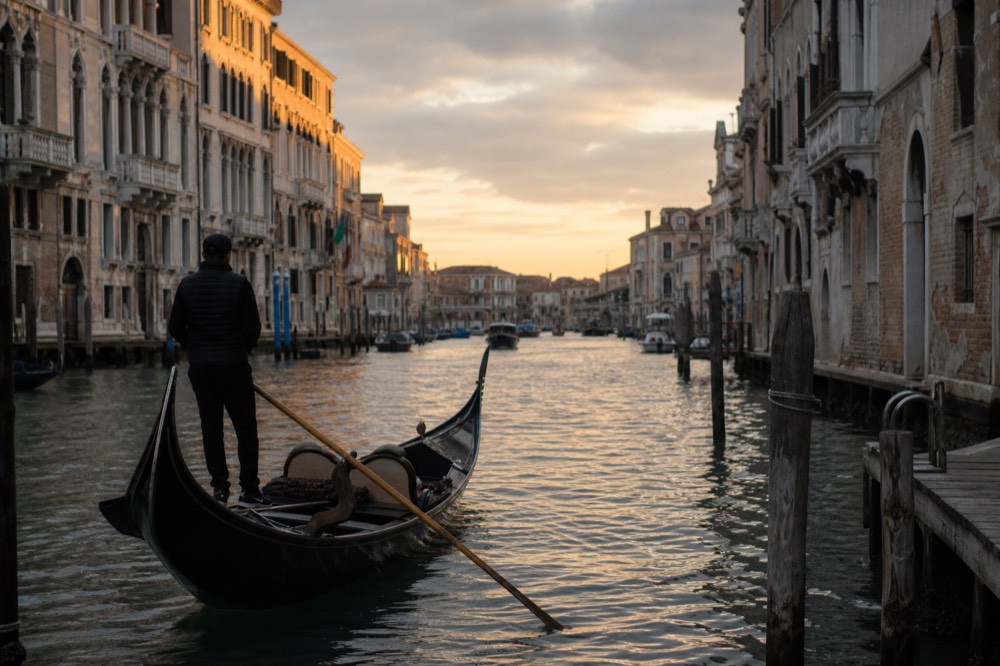
What actually sells out, then?
Not the boats. The scarce things are seats and slots: a shared gondola sells only a bench's worth of seats, so a 17:30 departure with most seats already gone is genuinely full. Combination tours with timed museum entry are the other real sell-out risk, because their scarcity comes from the buildings, not the canal.
This is the distinction that gets lost in the usual advice. A private dockside hire has as many spare boats as there are gondoliers standing idle. A shared ride sells one bench at a time, and once that bench is full the next departure is the one after. Same for the combination products: the combination tours built around a gondola pair the ride with skip-the-line entry to St. Mark's Basilica and the Doge's Palace, and it is the palace slot that fills, not the gondola.
| What you want | Does it sell out? | Sensible lead time |
|---|---|---|
| Private boat at a station, walk-up | Rarely, the fleet is large | None, turn up |
| Shared seat, quiet hours | Occasionally | A day or two |
| Shared seat, sunset in high summer | Yes, seats go | About a week |
| Serenade flotilla, evening | Yes, limited departures | About a week |
| Gondola plus timed museum entry | Yes, the museum slot fills | One to two weeks |
| Private ride with photographer | Limited departures, one boat | Two weeks or more |
St. Mark's Basilica, Doge's Palace and Gondola
3.5 hours · The Tour Guy
The strongest-rated combo in Venice: skip-the-line entry to St. Mark's Basilica and the Doge's Palace with a guide, finished with a gondola ride. Three and a half hours that cover the three things everyone comes for, in one ticket.
Check Price & Availability →
Venice Walking Tour and Gondola Ride
about 2.5 hours · Bucintoro Viaggi
The first-visit double: a guided walk through the lanes and squares around St. Mark's, then a shared gondola ride to see the same city from the water. Two and a half hours all in, and cheaper than booking the two halves separately.
Check Price & Availability →How long will you wait if you just turn up?
In peak summer at the busiest central stations, waits during the popular hours run from about 30 minutes to over an hour. Mornings are close to walk-on all year. Outside June to September, supply generally meets or exceeds demand at every hour except the sunset window, when everyone in Venice wants the same boat.
That hour of queueing is the real cost of not booking, and it lands at exactly the time of day people travelled for. There are two ways around it and neither involves a booking: ride in the morning, when the light is flat but the water is calm and the canals are quiet, or walk away from St. Mark's. Stations at the Piazzale Roma end and along the Rialto reach feed different water and gather different crowds, which the station-by-station comparison sets out properly.
Is booking cheaper for a couple?
It is close enough that price should not decide it. Two seats on the cheapest shared ride come to about $86 for the pair, against €90 for a whole walk-up gondola. The currencies differ, so the comparison is rough, but the real difference is not money: one puts you on a bench with four strangers, the other gives you the boat.
For a couple this is the single most useful sentence on the page. You are choosing privacy, not price. Two people at a station split €90 into €45 each and get the bench to themselves; two people on a shared ride pay a similar order of money and share the ride with whoever else turned up. Once a group reaches four or five, the arithmetic stops being close: a full walk-up boat is €18 a head, which no booked seat matches. The full ladder, including where the crossover falls, is in the shared against private decision.
| Booking ahead gives you | Walking up gives you |
|---|---|
| A held departure time | Whatever the next boat is |
| Card payment before you travel | A cash transaction at the mooring, euros |
| Free cancellation to 24 hours on every ride | Nothing to cancel |
| Commentary or music where offered | Silence, or whatever the gondolier volunteers |
| A per-person price, from $43 | A per-boat price, €90 for up to five |
| Certainty at 18:00 in August | A queue at 18:00 in August |
If you want the slot locked and the payment done before you land, the commentary ride is the one to hold, and you can check live prices and dates before deciding. Everything else that sells by the seat sits on the shared gondola rides hub, while the private boats are the ones you can most safely leave to the day.
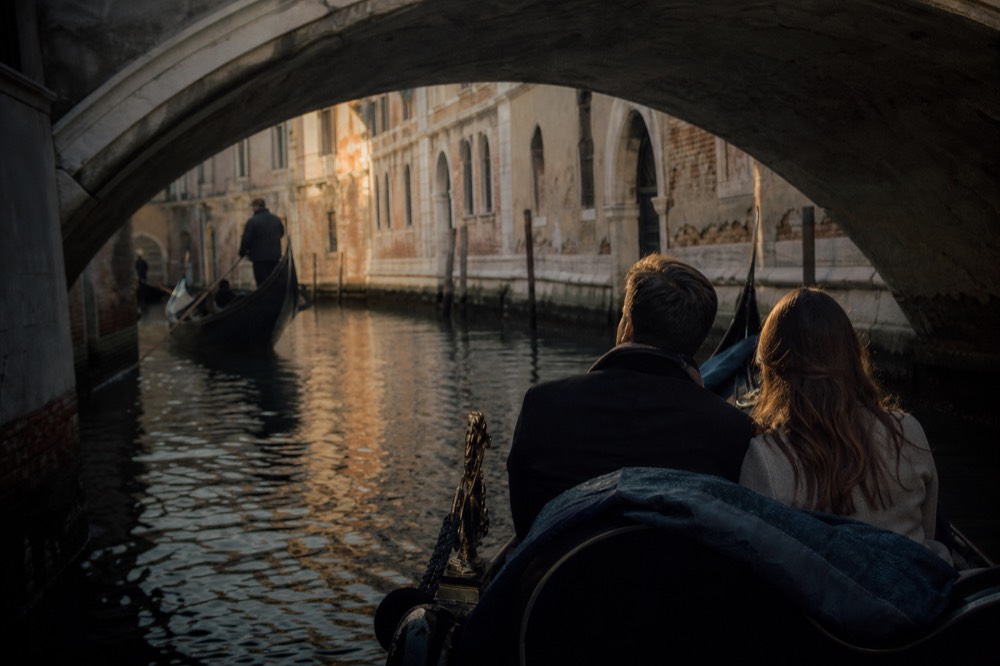
When is walking up the better move?
When the weather is the variable. Gondolas run year round but not through everything, and a booked slot on a wet, windy afternoon is a slot you may not use. Walking up costs nothing to abandon, and between October and March, when the tides matter most, that flexibility is worth more than a held time.
Flooding is far less of a factor than its reputation suggests. The MOSE barriers have held back more than 100 floods since coming into service, so high water is now an occasional October to March event rather than a seasonal certainty, and it barely features in summer. Wind and rain still cancel rides. If your trip is short and your one free evening is fixed, book. If you have three days and no fixed plan, keep the money in your pocket and pick your afternoon. The mechanics of both routes, including what a deposit does and does not hold, are covered in how booking a gondola actually works, and whether to carry euros for a walk-up is answered in the cash question.
Common questions about booking ahead
How far in advance should I book a gondola ride?
About a week is enough for anything that sells by the seat, including shared rides and evening serenades. Combination tours with timed entry to the Doge's Palace deserve one to two weeks in high season. Private walk-up hires need no lead time at all on most days.
Can I get a gondola ride the same day in July?
Usually yes, especially before midday. The pinch is the sunset window at the central stations, where summer waits run from around 30 minutes to over an hour. Move your ride to the morning or to a station away from St. Mark's and same-day works almost every time.
Do I lose money if the weather cancels my booked ride?
Every booked ride on this site cancels free up to 24 hours before departure, and operators reschedule or refund when conditions stop the boats. Inside the final 24 hours nothing comes back, so set a reminder two days out. A walk-up ride carries no risk at all, because nothing has been paid.